
Hindustan Unilever (HUL) has topped the Perpetual Capital Hurun India Impact 50 - 2026 list with 53.9 points (on the scale of 0-100), reflecting a strong performance across key sustainable development goals (SDGs), including climate, water, circularity, gender and biodiversity.

Among Sensex firms, Tata Motors, Infosys, Hindustan Unilever, Power Grid, Bharat Electronics, ITC, UltraTech Cement and Tata Consultancy Services were the major laggards. However, Adani Ports, Bajaj Finance, Bajaj Finserv and Axis Bank were among the gainers.

Multi-asset allocation funds (MAAFs) have emerged as strong performers among mutual funds (MFs), rivalling medium-term returns from traditional equity categories while maintaining a lower risk profile. Over the past three years, average returns for this segment have surpassed those of flexicap and largecap funds, for both lump sum and systematic investment plan (SIP) investments.

From the 30 Sensex pack, State Bank of India jumped 5 per cent, followed by ICICI Bank, Bajaj Finserv, NTPC, Adani Ports, Bajaj Finance and Larsen & Toubro. In contrast, Maruti, Tata Motors, Sun Pharma, Bharti Airtel, IndusInd Bank and Mahindra & Mahindra were among the laggards.

From the Sensex firms, Bajaj Finance, Trent, Hindustan Unilever, HDFC Bank, Eternal, Bajaj Finserv, ICICI Bank, and Bharat Electronics were among the laggards. However, Maruti, Tech Mahindra, Mahindra & Mahindra and NTPC were among the major gainers.
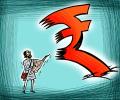
The rupee plunged 26 paise to an all-time low of 90.75 against the US dollar in intra-day trade on Monday, weighed down by uncertainty over an India-US trade deal and persistent foreign fund outflows.

From the Sensex pack, Zomato jumped nearly 5 per cent, followed by Titan which climbed almost 4 per cent. IndusInd Bank, Maruti, Tech Mahindra, Adani Ports, Bharti Airtel and HDFC Bank were also among the gainers.

Investors' sentiments will be guided by a host of domestic and global macroeconomic data announcements this week, along with the trading activity of foreign investors and trends in world stocks, analysts said. Besides, the rupee-dollar trend and movement of global oil benchmark Brent crude will also be crucial in dictating terms in the market, experts added.

At the heart of this debate is Section 3(d) of the Patents Act, a safeguard designed to prevent drugmakers from extending monopoly protection through trivial modifications to existing medicines.

Finance, ICICI Bank, Mahindra &h Mahindra, Kotak Mahindra Bank and Titan were among the gainers. Bharti Airtel, Adani Ports, Tech Mahindra, Reliance Industries, Axis Bank, Larsen & Toubro were the laggards.

Corporate earnings from blue-chips like HDFC Bank, ICICI Bank, Donald Trump's swearing-in as the US President, and trading activity of foreign investors are the key factors to drive equity markets this week, analysts said. Trump will be sworn in as the US president for a second term on Monday. This week, several key Nifty-50 companies, including BPCL, HDFC Bank, Hindustan Unilever, Dr Reddy's, UltraTech Cement, JSW Steel and ICICI Bank are scheduled to announce their financial results.

Among Sensex firms, Tata Consultancy Services, Tech Mahindra, Axis Bank, Bajaj Finance, Eternal, Infosys, Kotak Mahindra Bank and Bajaj Finserv were the major gainers. However, Tata Steel, Adani Ports, Power Grid and Titan were among the laggards.

Among Sensex firms, Kotak Mahindra Bank, Larsen & Toubro, Mahindra & Mahindra, Maruti, Bharti Airtel and Tata Steel were the major gainers. However, Asian Paints and Bajaj Finance were the laggards.

From the 30 Sensex companies, Zomato, Tata Motors, IndusInd Bank, Asian Paints, Bajaj Finance, Maruti Suzuki India, Adani Ports, Hindustan Unilever, Reliance Industries, Bajaj Finserv, UltraTech Cement and Infosys were among the laggards. In contrast, State Bank of India, ICICI Bank, Tata Steel, NTPC, Tata Consultancy Services, PowerGrid, Kotak Mahindra Bank and Sun Pharmaceuticals were the gainers.

The fiscal tilt towards capex benefits companies in investment-related sectors like capital goods, defence equipment, engineering & construction and metal & mining. The planned cut in revenue expenditure will weigh on companies in consumption sectors like FMCG, consumer durables and retail.

'We continue to view India as a standout within EM.'

'Only four or five original companies remain; the rest have been replaced every decade as sectors evolve or leadership shifts.' 'Companies that fail to adapt -- like many textile mills from the 1970s and shipping firms from the 1980s -- disappear.' 'Benchmark indices reward those who reinvent themselves in line with economic demands.'
From the Sensex firms, HCL Tech, Infosys, Power Grid, Tata Consultancy Services, HDFC Bank, Hindustan Unilever, Bharti Airtel and ICICI Bank were among the major laggards. However, Titan, Larsen & Toubro, Maruti and Axis Bank were among the gainers.

Among Sensex firms, Trent, Tech Mahindra, Hindustan Unilever, UltraTech Cement, Asian Paints, Eternal and ITC were the major laggards. Selling in HDFC Bank and ICICI Bank also dragged the key indices. However, Axis Bank, Bajaj Finance, Maruti and State Bank of India were among the gainers.
From the Sensex firms, Infosys, Tata Consultancy Services, HCL Tech, Tech Mahindra, Tata Motors, Sun Pharma, Maruti and Titan were among the major gainers. Bharat Electronics, Asian Paints, Bharti Airtel and ICICI Bank were among the laggards.
From the Sensex pack, Bharti Airtel, Titan, Tata Consultancy Services, Hindustan Unilever, Infosys, Nestle, Reliance Industries, Mahindra & Mahindra, HDFC Bank and Tata Motors were the biggest gainers. However, IndusInd Bank, Bajaj Finance and UltraTech Cement were the laggards.

Investors' wealth tumbled by Rs 9 lakh crore on Friday, in tandem with a sharp decline in the domestic equity market, where the benchmark Sensex plunged 1,414 points following a bearish trend in global equities. Fresh tariff threats that ignited global trade war fears and relentless foreign fund outflows dented investor sentiment, analysts said.

A multibagger stock multiplies its original investment several times, delivering returns of 100%, 200%, or even higher. The excitement of finding such wealth creators is undeniable, but the process of identifying them is far from simple. It requires a careful blend of research, patience, and the right set of tools.

From the 30-share Sensex pack, Tata Consultancy Services and Infosys jumped over 4 per cent each. HCL Technologies, Tech Mahindra, Adani Ports, Larsen & Toubro, Maruti and Reliance Industries were also among big gainers. Titan, IndusInd Bank, Hindustan Unilever, Axis Bank and HDFC Bank were the laggards.
Tata Steel was the biggest loser in the Sensex pack, sliding 8.59 per cent, followed by Tata Motors, Larsen & Toubro, Adani Ports, IndusInd Bank, Tech Mahindra, Reliance Industries, Sun Pharmaceutical, HCL Technologies, Tata Consultancy Services, Infosys, and NTPC, were the major laggards. On the other hand, Bajaj Finance, HDFC Bank, Nestle India, ICICI Bank, ITC, Asian Paints and Axis Bank were among the gainers.

Indian equity benchmarks rose nearly 2 per cent on Thursday, capping a truncated trading week with their strongest weekly performance in over four years. The rally was sparked by renewed risk-on sentiment following progress in trade negotiations and expanded tariff exemptions.
From the Sensex pack, HCL Tech, Infosys, Tech Mahindra, Reliance Industries, Bajaj Finserv, ICICI Bank, Tata Motors and Eternal were the lead gainers. Power Grid, Adani Ports, IndusInd Bank, Nestle, HDFC Bank and Hindustan Unilever were among the laggards.

The Indian metal market is a promising sector to invest in as it provides a good balance between the prospects of growth and stability in dynamic economic conditions and a changing geopolitical environment. Metals such as gold, silver, copper, etc, have gained renewed significance in 2025, amidst growing inflation and India's push towards infrastructural growth and green energy initiatives.
The Indian metal market is a promising sector to invest in as it provides a good balance between the prospects of growth and stability in dynamic economic conditions and a changing geopolitical environment. Metals such as gold, silver, copper, etc, have gained renewed significance in 2025, amidst growing inflation and India's push towards infrastructural growth and green energy initiatives.

Equity markets this week will take cues from global trends, trading activity of foreign investors and quarterly earnings, with TCS kick-starting the results calendar on Thursday, analysts said.

The growth was primarily driven by domestic investments, which accounted for 60 per cent of the total inflows during the first quarter of the financial year.

'Grassroots-level corruption, which disrupts the last-mile work, cannot be ignored in your enthusiasm and drive to get going to complete the project.' 'Like it was in MGNREGA, in some states, it is the case with the Jal Jeevan mission.' 'The last minute levels of corruption can ruin the intent of the project itself.' 'When you see that people can game a particular well-intended and well-crafted project, you need to correct that.'

From the 30-share Sensex pack, Hindustan Unilever, NTPC, Nestle, IndusInd Bank, Power Grid, Adani Ports, Tata Motors and Bajaj Finserv were the major laggards. Reliance Industries, Kotak Mahindra Bank, Tech Mahindra, Mahindra & Mahindra and HDFC Bank were among the gainers.

From the 30 Sensex firms, Power Grid, ICICI Bank, Bharti Airtel, HDFC Bank, Kotak Mahindra Bank, Larsen & Toubro, Adani Ports and UltraTech Cement were among the laggards. Sun Pharma, Reliance Industries, Titan, HCL Technologies and Bajaj Finserv were among the biggest gainers.

From the 30-share Sensex pack, NTPC, Asian Paints, HDFC Bank, State Bank of India, Tata Motors, JSW Steel, Maruti and Power Grid were among the major laggards. On the other hand, Sun Pharma, Infosys and ICICI Bank were the gainers.

Global trends, tariff-related updates and trading activity of foreign investors would be the key drivers for the equity market movement this week, analysts said. Markets witnessed a strong rebound last week, with the benchmark indices surging over 4 per cent.
From the 30 Sensex pack, Mahindra & Mahindra, State Bank of India, Power Grid, Tata Steel, IndusInd Bank, Tata Motors, Larsen & Toubro, NTPC, Bajaj Finance and Reliance were among the biggest laggards.

Investors will take cues from the December quarter corporate earnings, with blue-chips like Infosys, Reliance Industries scheduled to report their results this week, in addition, inflation data and trading activity of foreign investors will also be crucial in dictating market trends, analysts said.

For every 100 rupees, households invested Rs 45.2 in mutual funds and equities in 2024-2025.

Restoring weighted tax deductions and adopting a petty patents regime can foster firm-level innovative activity critical for competitiveness, points out Nagesh Kumar.
